


How we teach e-Safety
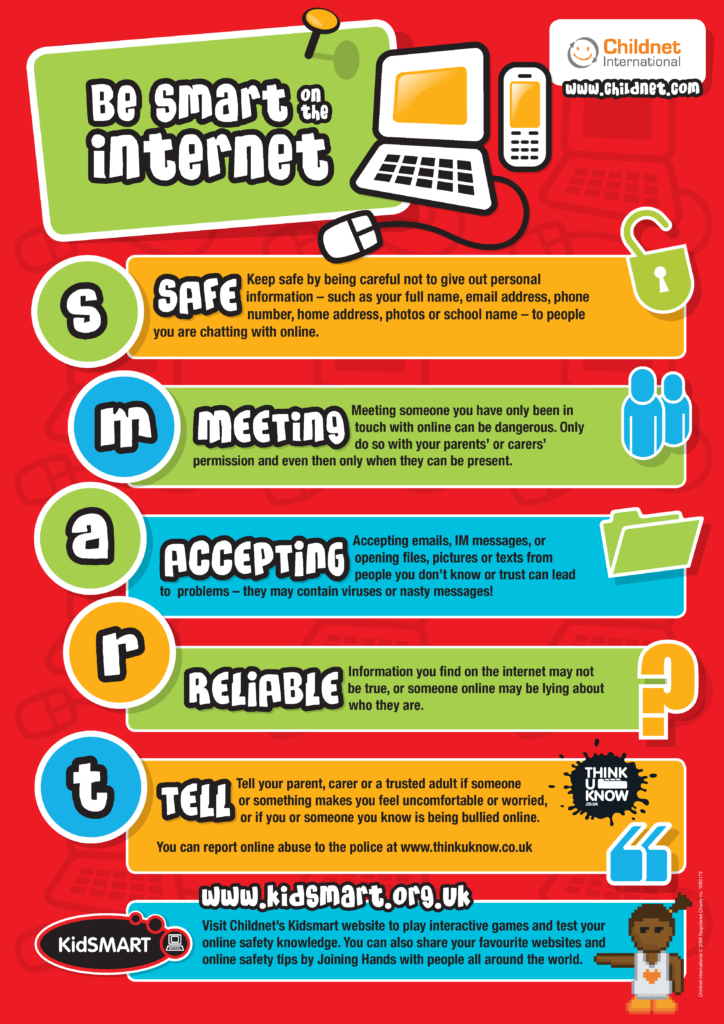
How We Teach E-Safety
E-Safety is woven throughout our curriculum so that children learn how to use technology safely, respectfully, and responsibly as part of their everyday learning. Every year group revisits key themes in an age-appropriate way, ensuring that online safety is not taught as a one-off lesson but as a continuous part of school life.
Integrated Curriculum Teaching
Online safety is taught within each unit of computing, with specific learning outcomes linked to the National Curriculum. Children learn how to manage personal information, recognise reliable content, communicate safely, and use technology responsibly. Skills are revisited regularly so that children build secure understanding as they progress through the school.
Cross-Curricular Learning
Teachers make links to online safety in other subjects where relevant. This includes exploring kindness and respectful online behaviour in PSHE, digital research skills in English and the wider curriculum, and safe communication in RE and Life to the Full (Ten Ten). These links help children apply safe choices in varied contexts.
Regular Class Discussions
Class teachers create space for children to discuss scenarios, ask questions, and reflect on their online experiences. Discussions are tailored to the age of the class so that younger children learn simple, concrete rules, while older pupils develop more nuanced understanding about privacy, digital footprints, and online relationships.
Whole-School Assemblies and Key Events
Throughout the year, assemblies reinforce responsible online behaviour, digital wellbeing, and the importance of speaking to a trusted adult. The school takes part in Safer Internet Day, using high-quality resources through age-appropriate themes across the school.
Practising Safe Skills in Context
Children learn practical skills such as using secure passwords, identifying trustworthy information, understanding age ratings, and knowing what to do if something online makes them feel unsure or uncomfortable. These skills are practised during computing lessons so that children become confident in applying them independently.
Use of High-Quality Resources
Teachers use a range of national and diocesan-approved resources, including Ten Ten’s Life to the Full, Thinkuknow, Childnet, and National Online Safety materials. These ensure that teaching is accurate, current, and aligned with safeguarding expectations.
A Whole-School Approach to Safeguarding
E-Safety reflects our wider safeguarding culture. All staff receive updated training and guidance so that they can support children effectively. Concerns about online behaviour are responded to promptly through established safeguarding procedures, and the school works closely with families when support or advice is needed.
Empowering Children to Ask for Help
Above all, children are taught that they can ask for help any time they feel unsure online. We encourage open conversation so that children learn that telling an adult is a positive, responsible action.